NOVEMBER 9, 2021
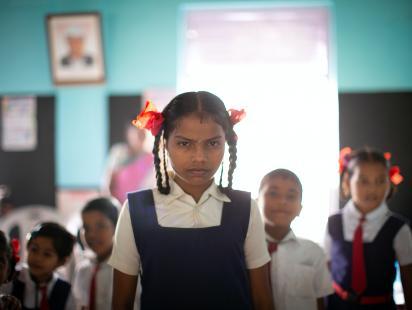
For the most impoverished, the various obstacles and pitfalls along the path to school do not always make it a walk in the park. To fight against poverty, many microcredit programs have been set up. One of these, the “Self Help Group” in the state of Jharkhand, India, has been studied by economists Jean-Marie Baland, Timothée Demont, and Rohini Somanathan. After six years of operation, the program has increased school enrollment by 40%. However, it remains ineffective in reducing child labor. These results can further help us understand how microcredit works.
Baland, Jean-Marie, Timothée Demont, and Rohini Somanathan. 2020. “Child Labor and Schooling Decisions among Self-Help Group Members in Rural India.” Economic Development and Cultural Change 69 (1): 73–105.